
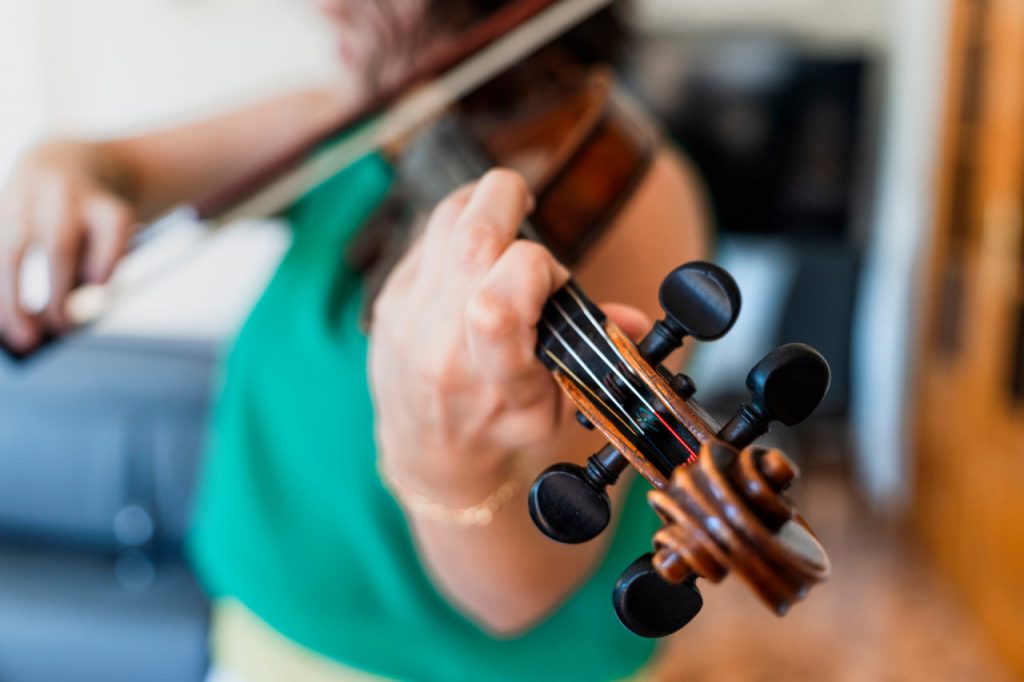
Progress on the violin does not happen by accident. It is the result of consistent, focused, and structured practice. While inspiration can spark motivation, discipline sustains improvement. A well-designed practice routine transforms scattered effort into measurable growth.
Many students spend hours playing through pieces from beginning to end without addressing technical weaknesses. This approach may feel productive, but it often reinforces mistakes. An effective routine breaks practice into purposeful segments, each with a clear objective.
When practice is intentional, performances become more confident and reliable.
Setting Clear and Realistic Goals
Every productive practice session begins with a goal. Instead of saying, “I will practice for one hour,” define what you want to accomplish within that hour.
Goals might include mastering a difficult shift, improving bow control in a specific passage, or memorizing a section of music. Clear objectives prevent distraction and maintain focus.
Long-term goals are equally important. Whether preparing for a recital, audition, or personal milestone, knowing your destination helps organize daily work. Composers such as Ludwig van Beethoven and Felix Mendelssohn wrote violin works that demand technical precision and emotional depth. Preparing such repertoire requires gradual, structured development rather than last-minute effort.
Dividing Practice into Focused Sections
A balanced practice routine typically includes several components: warm-up, technical exercises, repertoire work, and review.
Warm-ups prepare the body and mind. Slow scales, open strings, and simple bow exercises help establish posture, intonation, and tone quality.
Technical exercises focus on specific skills such as shifting, vibrato, string crossings, or rhythm accuracy. These drills isolate challenges that appear in repertoire.
Repertoire work applies technical skills to musical pieces. Instead of playing the entire composition repeatedly, concentrate on smaller sections that need improvement.
Finally, review previously mastered material to reinforce memory and maintain confidence.
This structured format ensures that each essential skill receives attention.
The Power of Slow Practice
One of the most effective strategies in violin study is slow practice. Playing slowly allows you to monitor intonation, bow placement, rhythm, and posture simultaneously.
Speed often hides mistakes. When tempo increases prematurely, technical flaws become ingrained. Slowing down gives the brain time to process movement accurately.
Gradually increase tempo only after achieving consistent clarity at a slower pace. This approach builds reliability and prevents frustration during performance.
Isolating Difficult Passages
Challenging measures should be treated as separate exercises rather than obstacles to push through. Identify the exact source of difficulty. Is it a shift? A string crossing? A rhythmic pattern?
Practice those measures in short repetitions. Break them into even smaller segments if necessary. For example, work on two or three notes repeatedly until they feel stable.
Once the passage improves, reconnect it to the surrounding music. This targeted method accelerates progress and builds technical security.
Practicing with Mental Focus
Effective practice requires full concentration. Passive repetition limits improvement. Before starting a passage, decide what you are listening for. It might be even bow distribution, consistent vibrato, or precise rhythm.
If your mind wanders, pause and reset. Short, focused sessions are often more productive than long, distracted ones.
Mental engagement strengthens memory and prepares you for performance conditions where concentration is essential.
Using Repetition Wisely
Repetition is necessary, but it must be intelligent. Simply playing a passage multiple times without adjustment does not guarantee improvement.
After each repetition, evaluate the result. Did the shift land accurately? Was the tone consistent? If not, adjust technique and try again.
Purposeful repetition reinforces correct movements rather than mistakes.
Incorporating Performance Simulation
Transitioning from the practice room to the stage requires psychological preparation. Include simulated performances in your routine.
Play through your entire piece without stopping, even if errors occur. Practice walking into the room, adjusting your posture, and beginning confidently.
Recording yourself adds another layer of accountability. Watching the playback reveals details that may go unnoticed during playing.
Simulated performance conditions reduce anxiety and build familiarity with pressure.
Balancing Technical Work and Musical Expression
Technical mastery and musical interpretation must develop together. While scales and exercises build precision, they should connect to expressive goals.
When practicing repertoire, think about phrasing, dynamics, and emotional character. Imagine the story behind the music.
Great violinists such as David Oistrakh and Anne-Sophie Mutter are admired because their technical skill supports expressive depth. Their disciplined practice allowed them to communicate music powerfully on stage.
Your routine should nurture both control and creativity.
Tracking Progress Over Time
Keeping a practice journal can significantly improve efficiency. Record daily goals, challenges, and achievements. Tracking tempo increases or technical breakthroughs provides motivation.
Written reflection encourages accountability and highlights patterns in your development.
When preparing for performances, reviewing previous notes reminds you how far you have progressed and reinforces confidence.
Avoiding Burnout and Maintaining Motivation
Consistency does not mean exhaustion. Short breaks during practice maintain mental clarity. Stretching and resting your hands prevent physical strain.
Varying exercises and repertoire keeps practice engaging. Celebrate small improvements rather than focusing only on long-term goals.
Sustainable routines promote steady growth without discouragement.
Preparing for Performance Day
As a performance approaches, shift focus from learning new material to refining consistency. Run full programs regularly. Practice tuning efficiently and managing pre-performance nerves.
Avoid over-practicing the day before an event. Instead, review key sections calmly and trust your preparation.
Confidence on stage reflects the quality of preparation in the practice room.
