
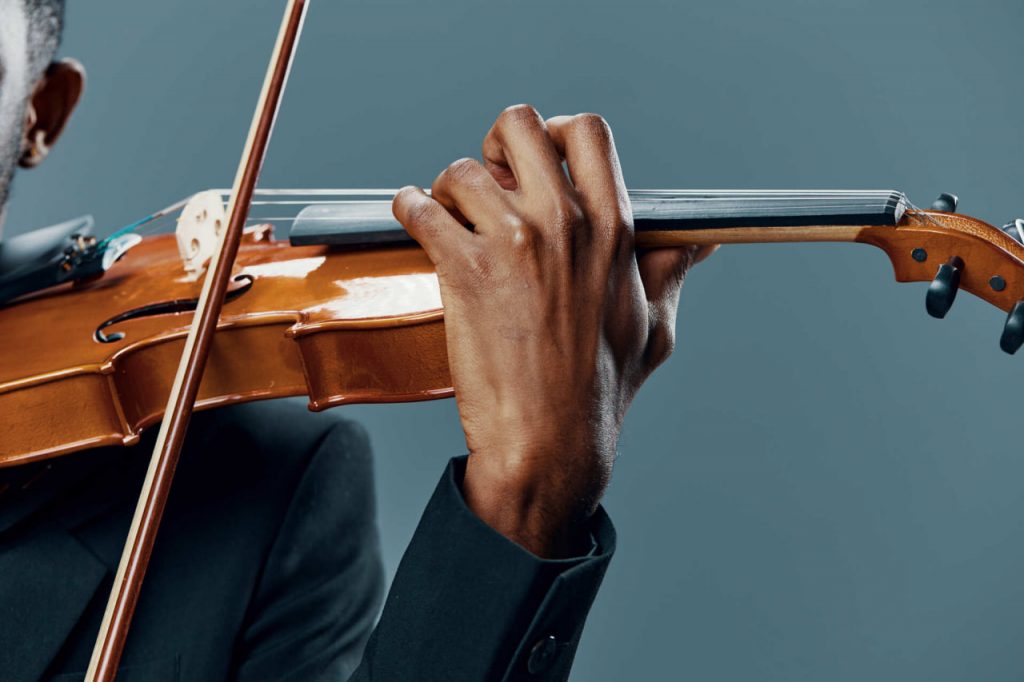
Stage fright is one of the most common challenges musicians face, regardless of age or experience. Even highly accomplished performers have spoken openly about pre-concert nerves. The fear of making mistakes, being judged, or forgetting passages can trigger physical symptoms such as shaky hands, rapid heartbeat, or shallow breathing.
For violinists, stage fright can feel especially intense because the instrument demands precision. Small changes in bow pressure or finger placement are immediately audible. However, nervousness is not a sign of weakness. It is a natural response to stepping outside your comfort zone.
Understanding that stage fright is normal is the first step toward overcoming it.
Why Performance Anxiety Happens
Performance anxiety is rooted in the body’s fight-or-flight response. When your brain perceives a situation as high-pressure, it releases adrenaline. This can sharpen focus, but it can also create tension if not managed properly.
Musicians often place high expectations on themselves. The desire to perform flawlessly can amplify stress. In reality, audiences are rarely searching for perfection. They are listening for expression, connection, and sincerity.
Recognizing that performance is about communication rather than perfection can significantly reduce internal pressure.
Preparation as the Foundation of Confidence
Confidence grows from preparation. When you know your repertoire thoroughly, anxiety decreases naturally.
Effective preparation includes slow practice, detailed technical work, and simulated performances. Practice difficult passages separately until they feel reliable. Then integrate them back into the full piece.
Play your program from beginning to end without stopping, even if mistakes occur. This builds endurance and mental focus. The more often you recreate performance conditions during practice, the more familiar the experience becomes.
Creating Mock Performance Situations
One powerful way to reduce stage fright is to perform informally before the actual event. Play for family members, friends, or classmates. Even recording yourself on video can simulate pressure.
These smaller experiences teach you how your body reacts under observation. Over time, your nervous system learns that performing is not dangerous, and anxiety becomes more manageable.
Gradual exposure builds resilience.
Managing Physical Symptoms
Physical tension is one of the main obstacles during performance. Tight shoulders, stiff wrists, and shallow breathing can interfere with technique.
Before going on stage, take slow, deep breaths. Inhale through your nose, hold briefly, and exhale slowly through your mouth. This calms the nervous system and reduces heart rate.
Gentle stretches for the neck, shoulders, and arms release excess tension. Keep movements controlled and focused rather than rushed.
While playing, consciously relax your jaw and allow your shoulders to drop. A relaxed body supports a stable tone and smoother bow control.
Shifting Focus from Fear to Expression
Fear often grows when attention turns inward. Thoughts like “What if I make a mistake?” or “What will they think?” increase pressure.
Instead, shift your focus outward. Think about the character of the music. Is it joyful, dramatic, lyrical, or playful? Direct your energy toward communicating that feeling.
Legendary violinists such as Jascha Heifetz and Hilary Hahn are admired not only for technical mastery but also for their expressive presence. Their performances feel compelling because they focus on storytelling rather than fear.
When your goal becomes sharing music instead of avoiding mistakes, anxiety loses power.
Reframing Mistakes
No performance is flawless. Even world-class musicians occasionally make small errors. The difference lies in how they respond.
If a mistake happens, continue playing. Do not dwell on it. Most audience members will not notice minor slips unless the performer visibly reacts.
Treat mistakes as temporary moments rather than disasters. Maintaining composure keeps the performance intact and demonstrates professionalism.
Building a Pre-Performance Routine
A consistent routine before performances creates stability. Arrive early to familiarize yourself with the space. Tune carefully and test the acoustics.
Spend a few minutes playing slow scales or open strings to focus on tone quality. Avoid rushing through difficult passages repeatedly at the last minute. Trust your preparation.
Develop a short mental ritual, such as visualizing a successful performance or repeating a positive phrase. Consistency builds psychological comfort.
Visualizing Success
Mental rehearsal is a powerful tool. Close your eyes and imagine walking onto the stage calmly. Picture yourself playing with steady bow control and confident posture.
Visualization strengthens neural pathways similar to physical practice. By mentally rehearsing success, you prepare your mind to respond calmly in real situations.
Gaining Experience Through Repetition
Confidence does not appear overnight. It develops through repeated exposure to performance situations.
Participate in recitals, small concerts, or community events whenever possible. Each experience adds familiarity and reduces uncertainty.
Over time, what once felt intimidating becomes routine.
Turning Nervous Energy into Power
Adrenaline is not entirely negative. It can increase alertness and intensity. Instead of trying to eliminate nervousness completely, learn to channel it.
Use heightened energy to support dynamic contrasts and expressive phrasing. A slightly elevated heart rate can enhance focus when managed properly.
The goal is not to feel completely calm but to remain in control.
